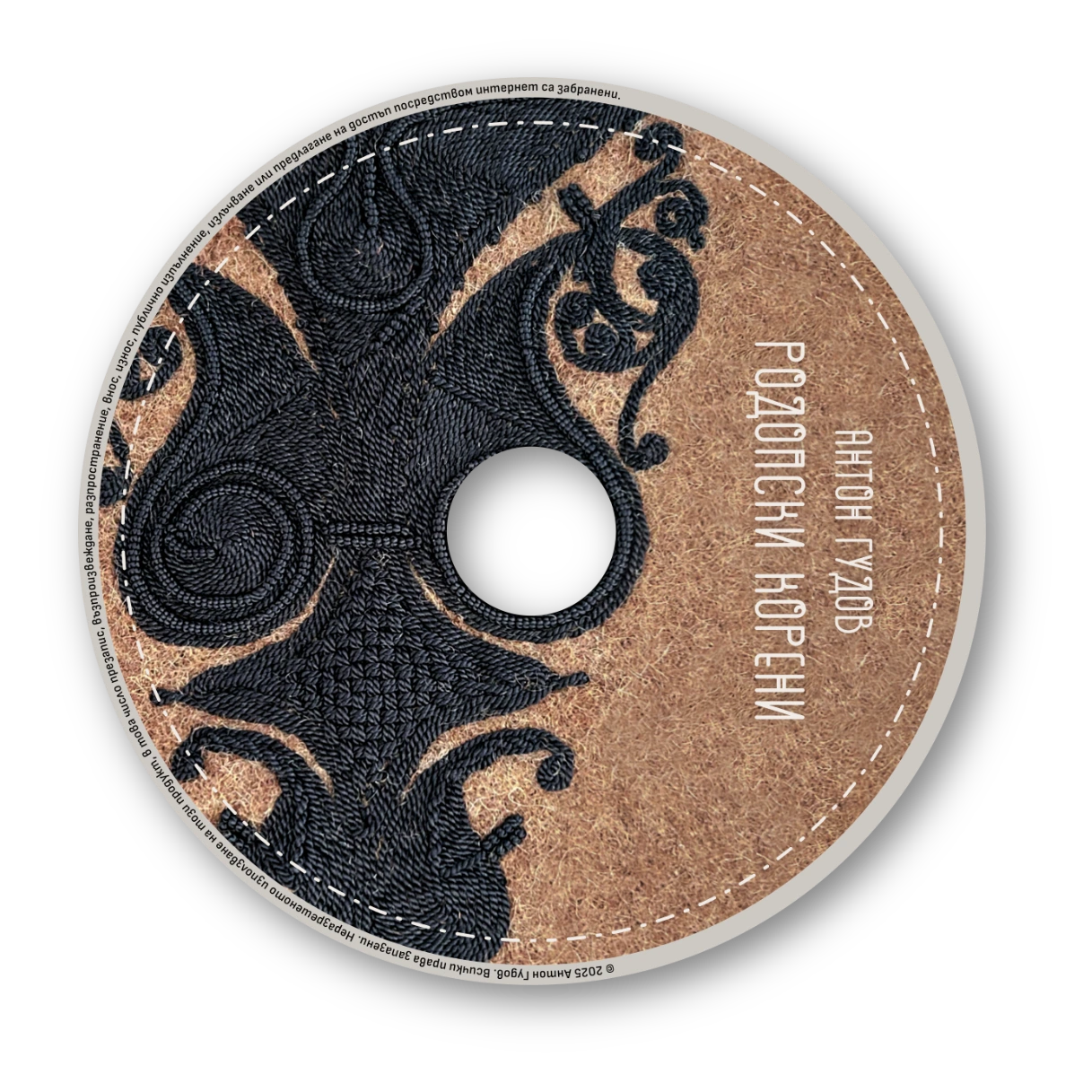
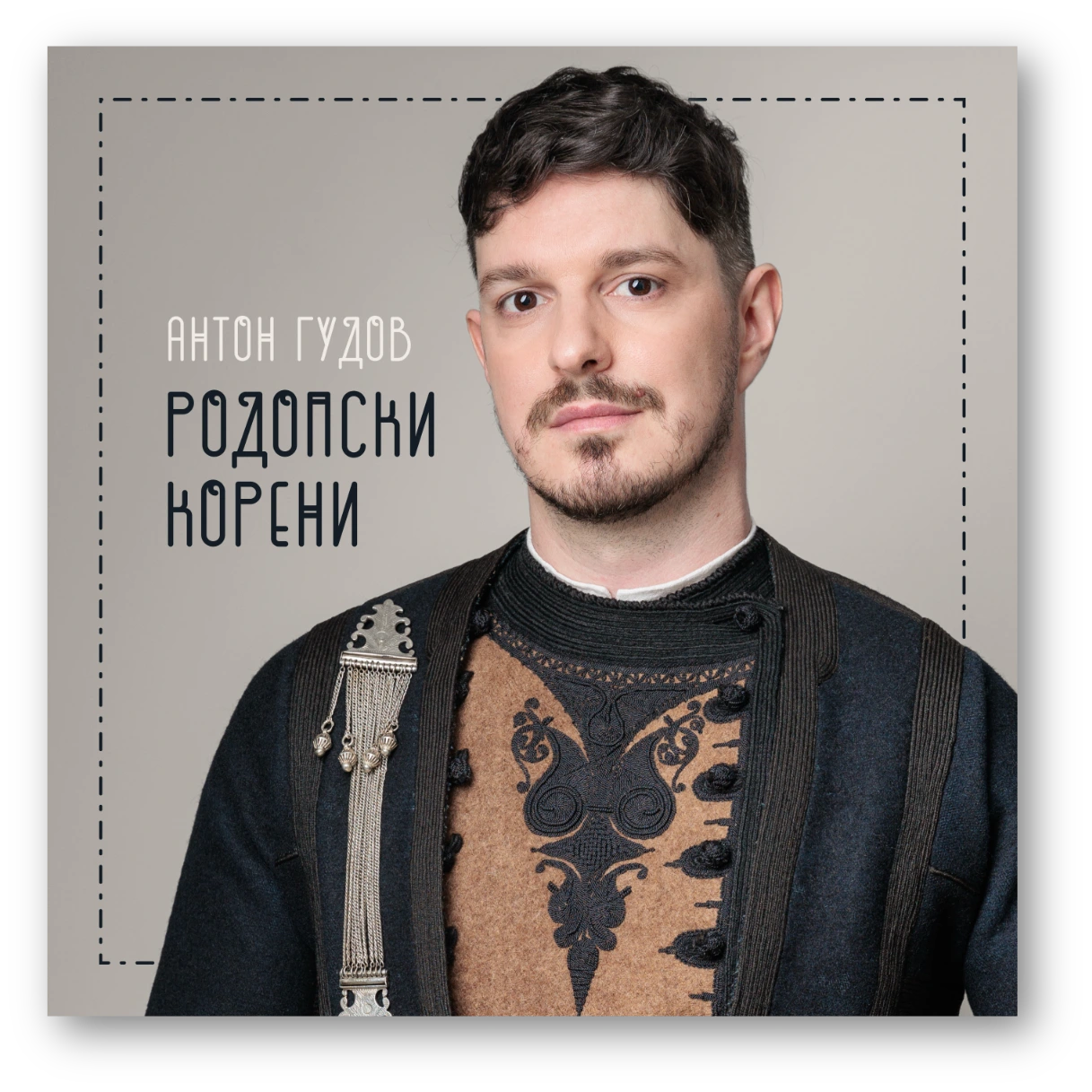
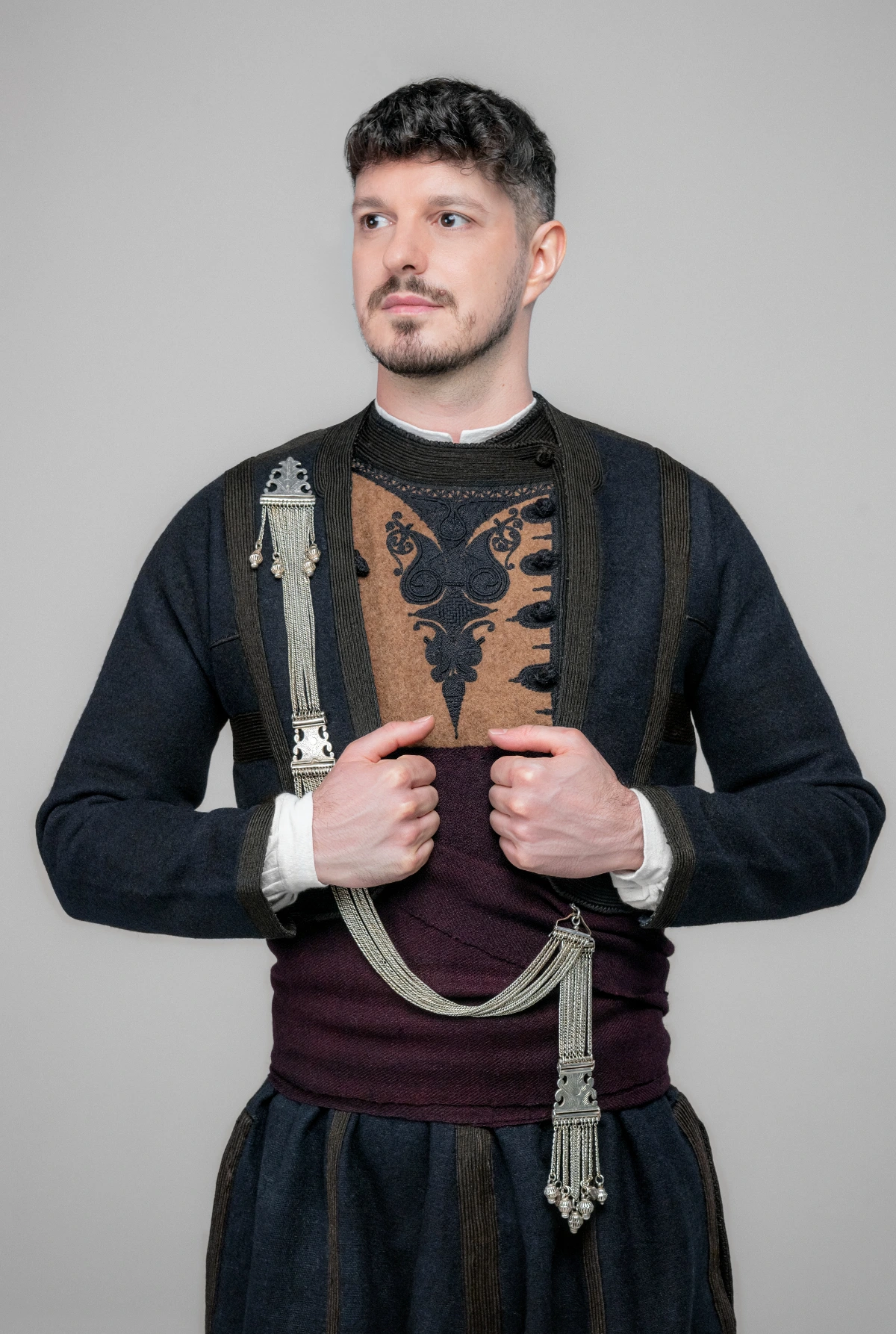
This album features nine previously unknown, authentic Rhodopean songs, presented with a traditional sound and performed entirely with folk instruments — bagpipe (gaida), kaval, gadulka, tambura, and tupan.
In addition to its melodic richness, the album also reveals the rhythmic diversity of the Rhodope Mountains, including two songs in the irregular 5/8 meter and one in the smooth, swaying 3/4.
Born and raised in Kazanlak, in a community of settlers from the Central Rhodopes, Anton was nurtured from an early age with Rhodopean songs, traditions, and culture.
Inspired by the older generation of singers and musicians, he has taken it upon himself to revive forgotten songs, dedicating himself to the search for ancient vocal and instrumental folklore.
Anton absorbs the Rhodopean singing style from the recordings of great performers from the golden era of Bulgarian folklore. Among them are Nadezhda Khvoyneva, Hristina Lyutova, Valya Balkanska, Mladen Koynarov, Veselin Djigov, Radka Kushleva, Boyka Prisadova, and others.
In shaping himself as a performer, he has taken the difficult path of building his own repertoire from previously unrecorded and little-known Rhodopean songs — the result of which is the album "Rhodopean Roots".
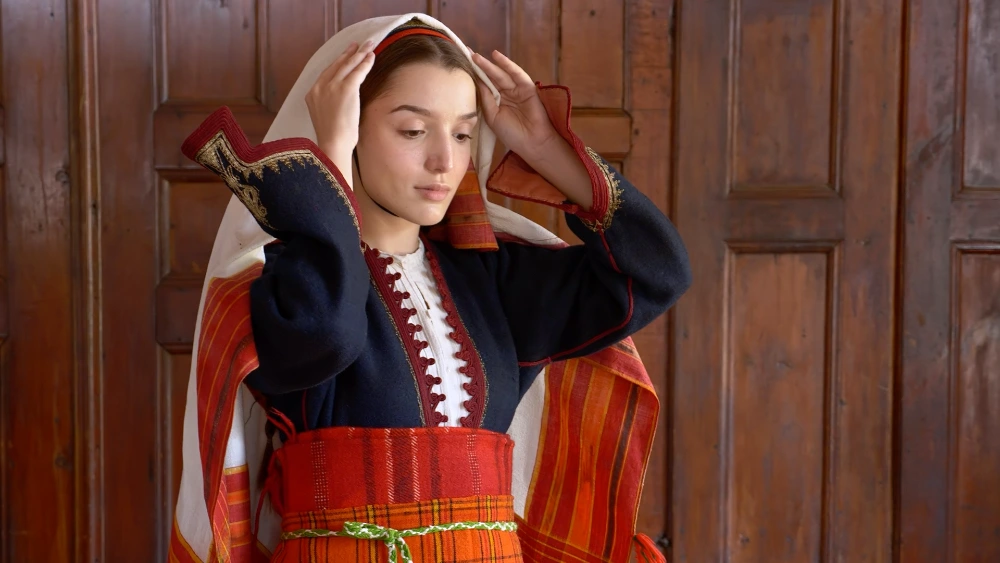
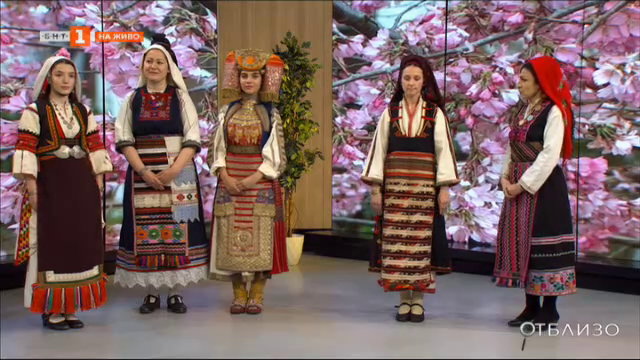
The video presents the traditional head covering style of the Central Rhodopes, which was worn using a small cap called a "fes" and a homespun white kerchief called "testemel". This style was common until the 1920s and preceded the more widely known Rhodopean "zakutlyane", which used a factory-made wool or silk scarf.
In the old style, the hair is parted and braided into two plaits starting behind the ears. The "fes", decorated with metallic thread "sarma", is placed on the head and secured with a cord tied under the chin. One of the four corners of the kerchief is folded inward, and this folded edge is placed over the cap. To hold it in place, a pin called a "kolche" is used to fasten the kerchief to the cap, and its dangling ornaments are draped back over the head.
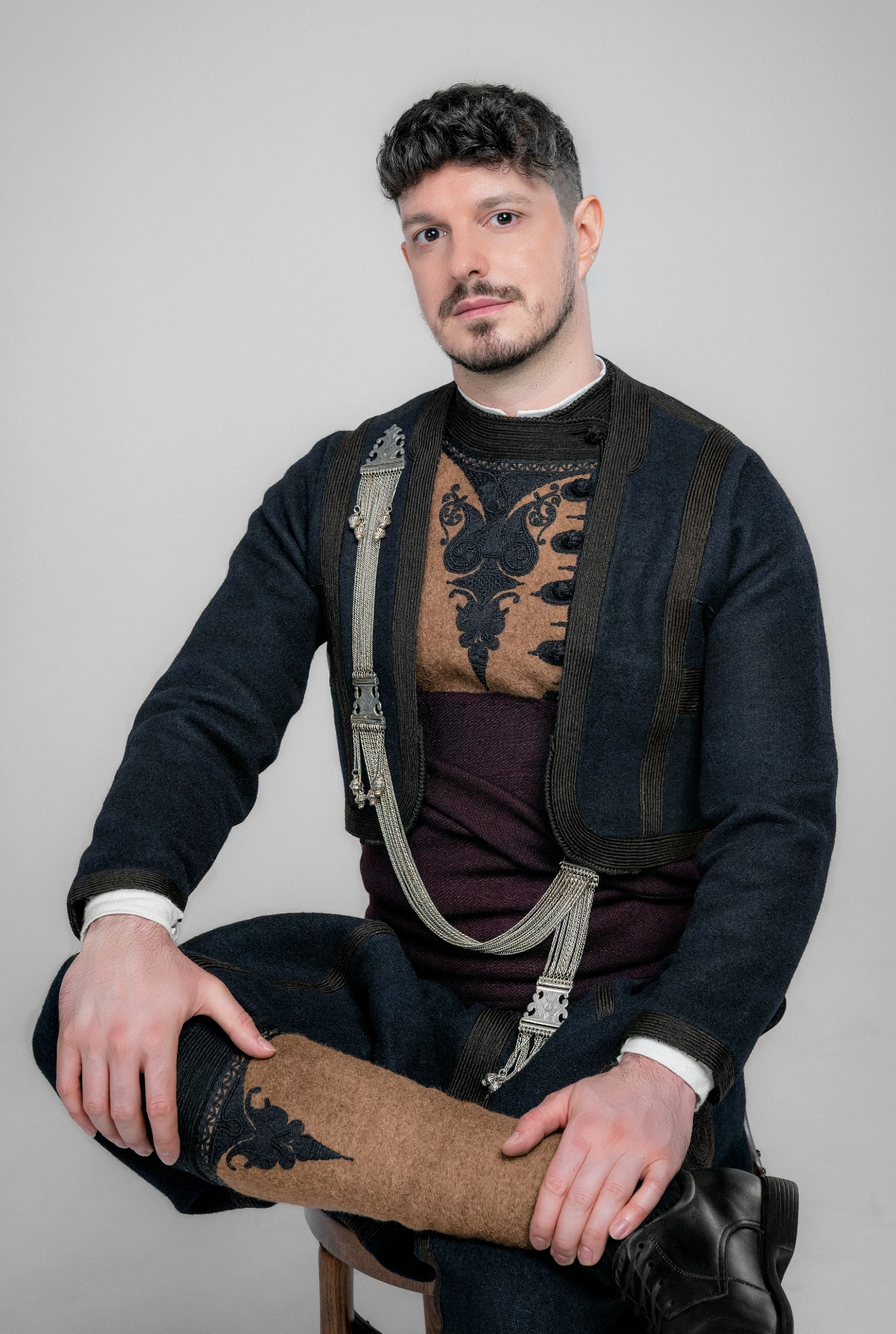
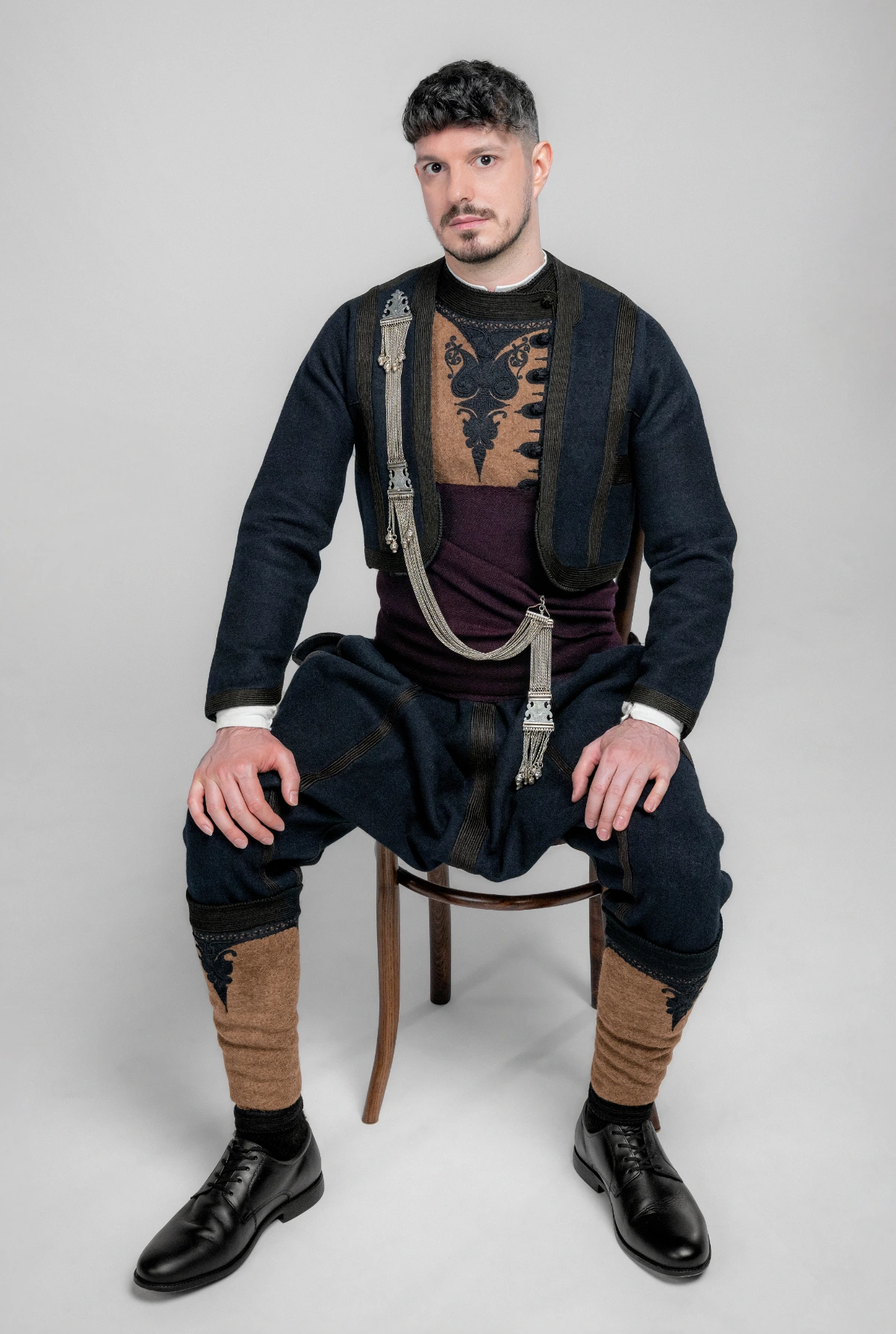
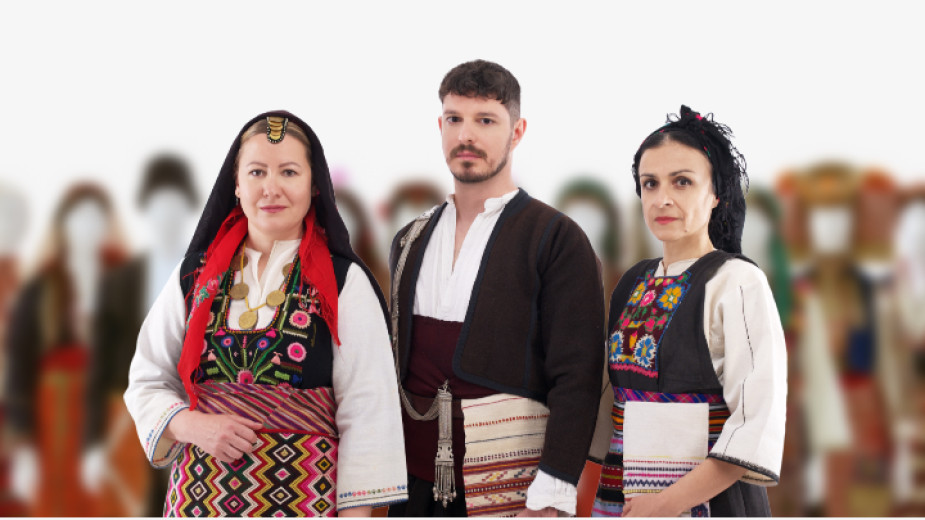
Anton Gudov owns a personal collection of authentic Bulgarian folk costumes, gathered over more than ten years.
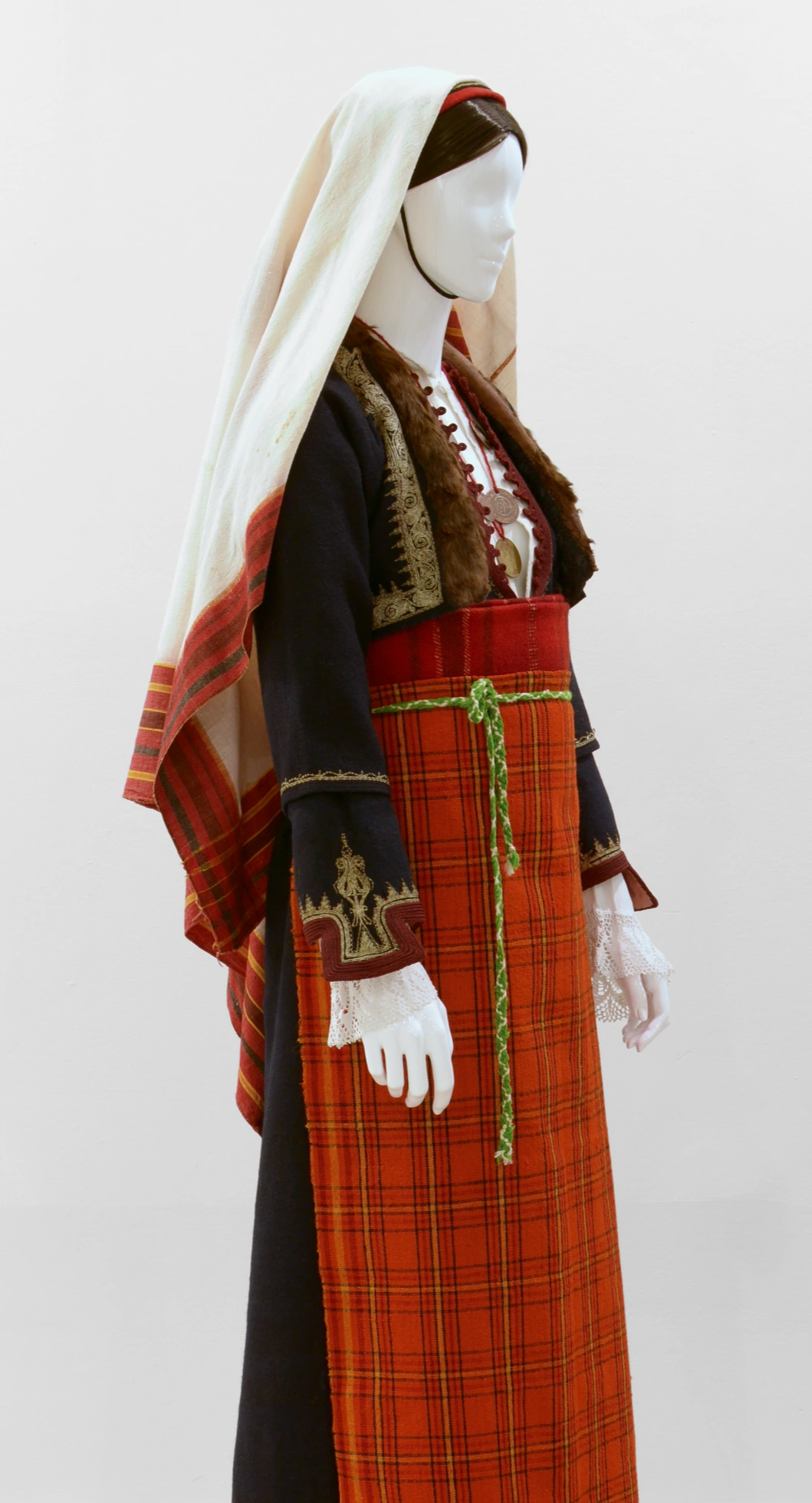
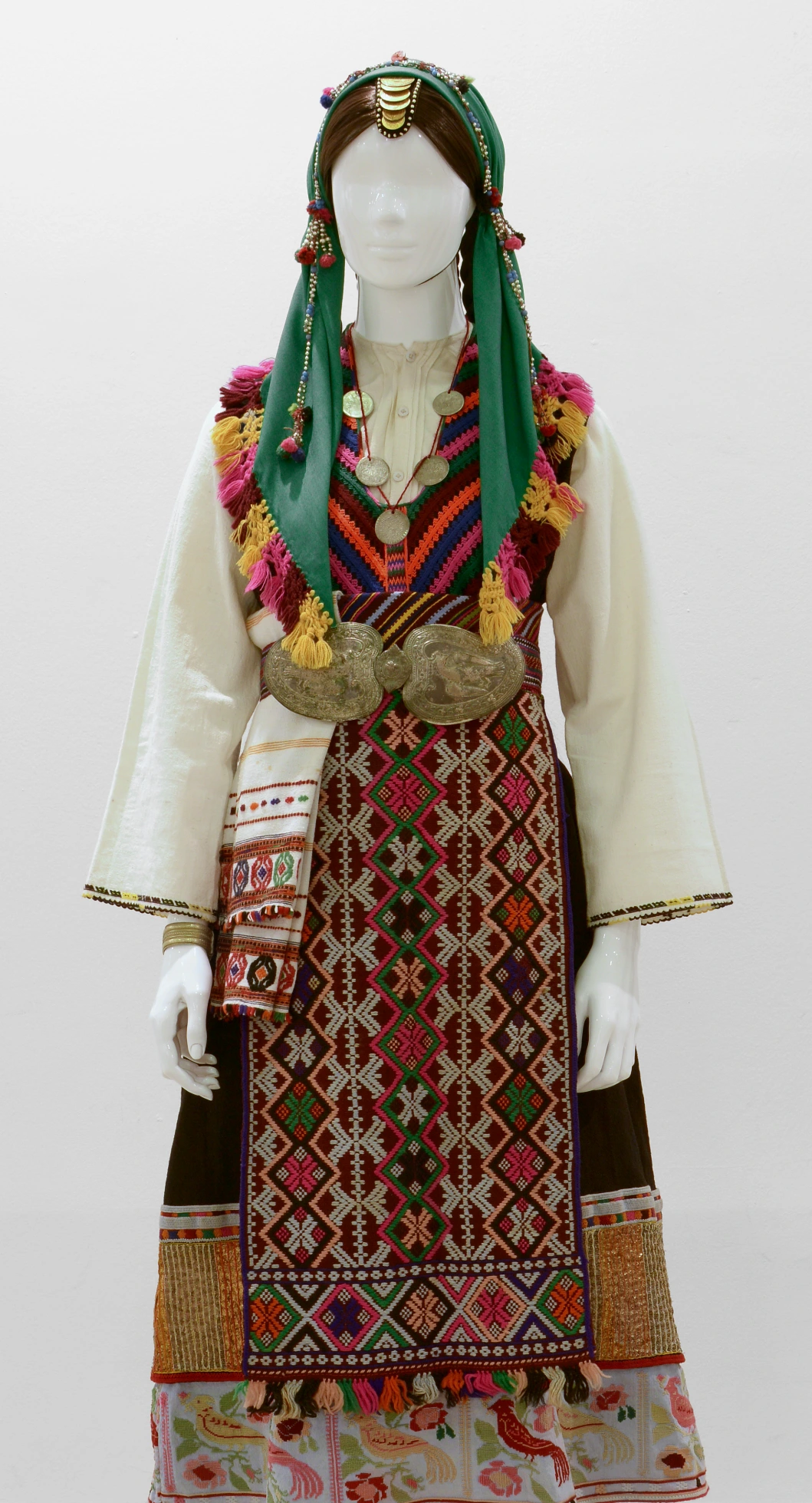
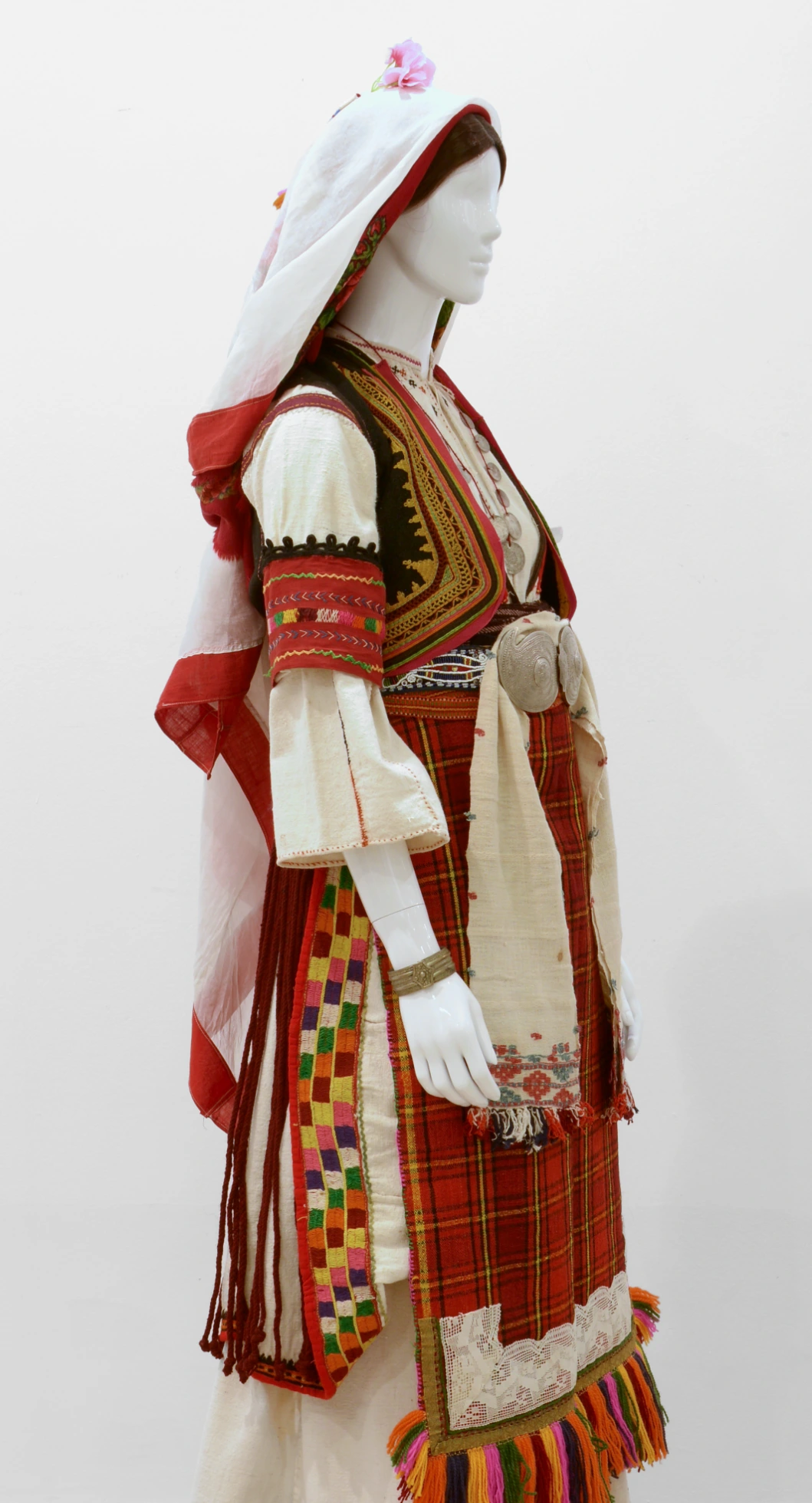
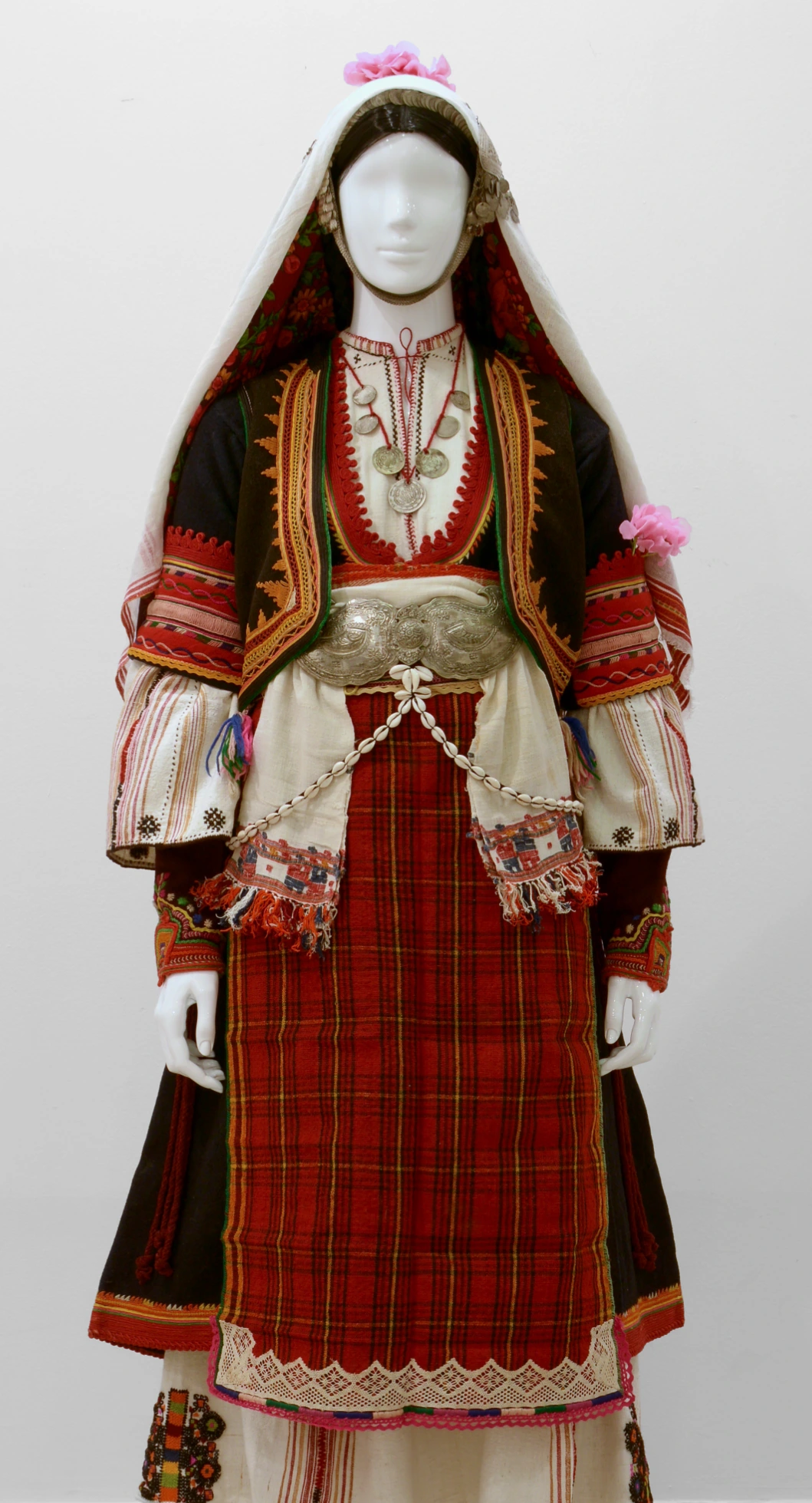
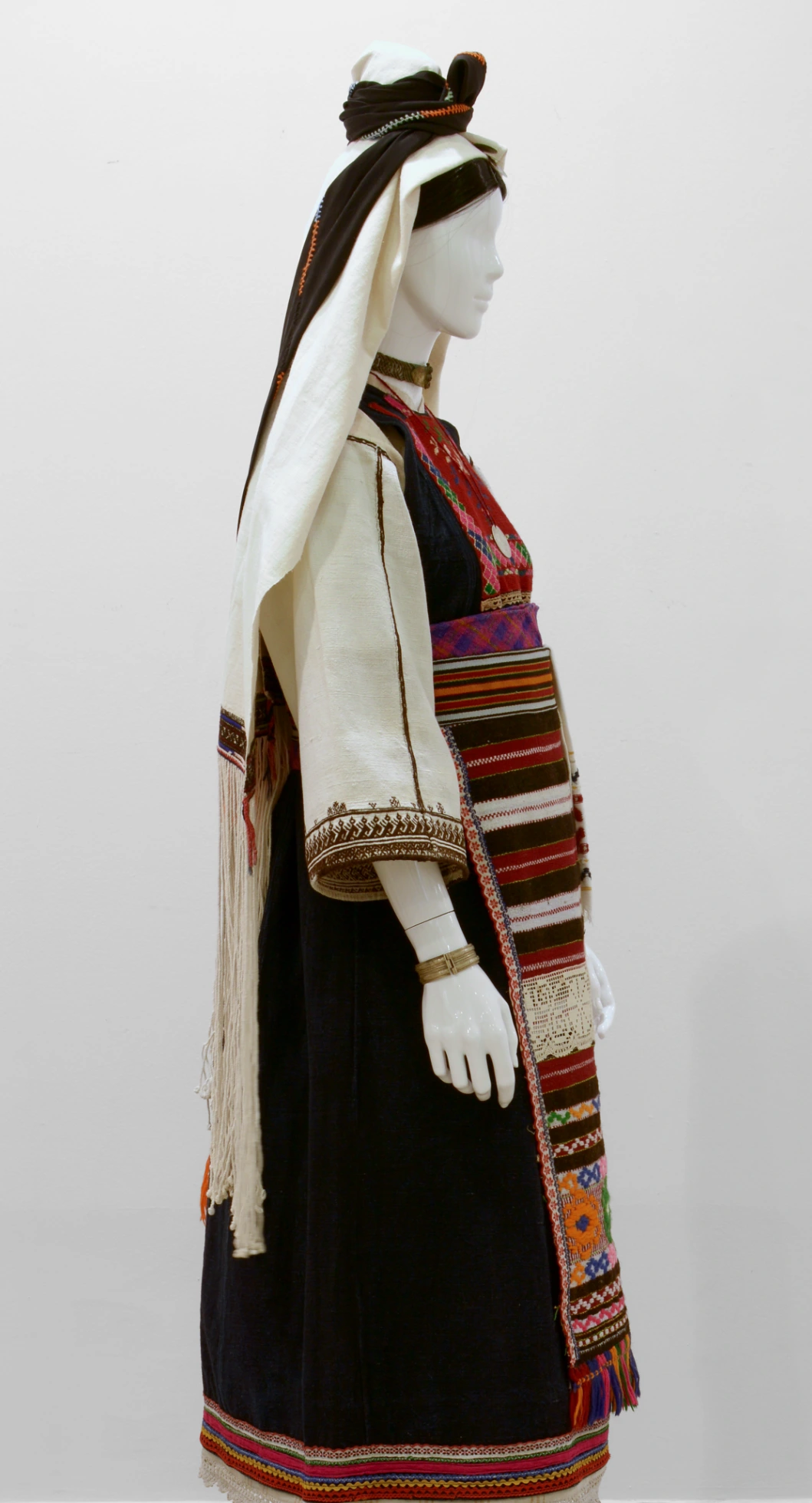
Together with Liliya Getova and Daniela Dimitrova, he organizes the exhibition "Heritage", which showcases rare and antique costumes, jewelry, and head coverings from various ethnographic regions of Bulgaria — including the Thracian region and the Kazanlak area, as well as costumes of the Karakachani people, festive garments from Northwestern Bulgaria, the Rhodopes, Pirin, and rare wedding outfits of settlers from Banat and Aegean Thrace.
Over the years, the three collectors have organized more than ten ethnographic exhibitions in venues such as the Stoyan-Staynov House in Kazanlak, the "Iskra" Historical Museum, the "Ivan Milev" Hall in Kazanlak, the Regional Ethnographic Museum - Plovdiv, Art Gallery - Kazanlak, as well as at various festivals and themed showcases. Among the valuable exhibits is the costume of renowned Rhodopean singer Boyka Prisadova.
The items on display are among the rarest that can be seen in a museum or private collection, with some of them being over 100 years old. They include festive costumes and traditional head coverings from the regions of Smolyan, Ivaylovgrad, Elhovo, Yambol, Kazanlak, Pirin, Kyustendil, Kotel, and Samokov, as well as bridal and Lazarus Day outfits from the Pleven region, and costumes of settlers from Aegean Thrace, Edirne Thrace, and Banat.
A highlight of the exhibition is the authentic costume of the great Rhodopean singer Boyka Prisadova.
More about "Heritage"